
Beginnings: The Seeds of Family Acres
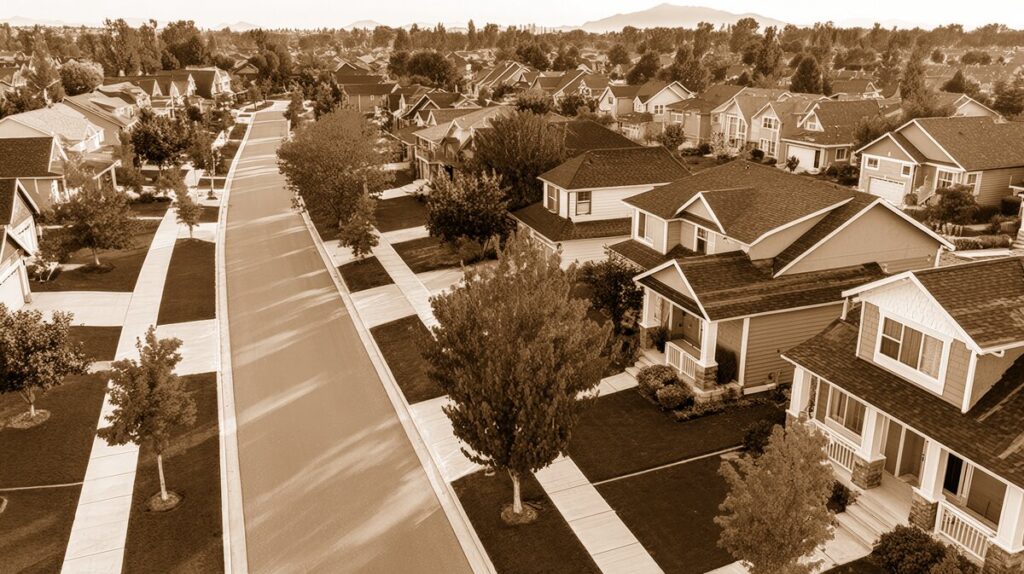
Nestled in southeast Lincoln, Family Acres is a neighborhood defined by its welcoming spirit, old-growth trees, and a quiet sense of history. While many Lincoln neighborhoods have their roots in the city’s earliest decades, Family Acres as we know it today began taking shape during the post-World War II suburban boom.
The area now known as Family Acres was, for much of the early 20th century, farmland on the edge of what was then a rapidly expanding Lincoln. Before it sprouted homes and quiet streets, this was a patchwork of fields tended by families looking to make a life from Nebraska’s rich prairie soil. As the city pushed south and east, developers recognized the opportunity to create a community that balanced city amenities with spacious yards and a village-like atmosphere.
How Family Acres Got Its Name
The name "Family Acres" is more than just descriptive; it encapsulates the neighborhood’s original vision. Developers, aiming to market the area as an ideal place to raise a family, emphasized affordable single-family homes on larger-than-average lots. Early advertisements touted “ample room for your growing family” and “acres of opportunity.” This vision resonated with returning veterans in the 1950s and 1960s, many of whom were eager to settle in a place designed expressly for young families.
Pioneering Growth: Key Milestones
The late 1950s and early 1960s were a period of remarkable growth, marked by several important milestones:
- First Streets and Model Homes: The earliest homes appeared along A and Pioneers Boulevard, quickly followed by development along 66th and 70th Streets—now central arteries of the neighborhood.
- Community-Minded Development: Developers incorporated winding roads, cul-de-sacs, and wide lots, setting Family Acres apart from the grid-like layout common in older Lincoln neighborhoods.
- Infrastructure and Institutions: The establishment of schools, including the much-loved Ruth Hill Elementary (now connected with the LPS Early Childhood Center), soon followed, anchoring the neighborhood for generations of children.
Landmarks and Local Touchstones
While Family Acres may not boast grand historic mansions, it has its share of cherished landmarks:
- Holmes Lake Park: Just to the west, this sprawling park became a backyard playground for generations. Its walking trails, picnic shelters, and serene water views are integral to the Family Acres experience.
- Meadow Lane Park: Nestled within the neighborhood, this cozy green space at 70th and Meadow Lane serves as a gathering place for little league games, family picnics, and neighborhood get-togethers.
- Ager Golf Course: A welcoming par-3 course popular with everyone from children learning the game to retirees enjoying a sunny afternoon.
- Eastmont Towers: Founded in the 1960s, this retirement community on O Street became a landmark in its own right, reflecting the neighborhood's multi-generational appeal.
- The “Triangle” Commercial Area: Near the junction of 70th and A Streets, this collection of small businesses—long anchored by the Family Fare supermarket—became a centerpiece of convenience and connection.
Living History: Evolution Through the Decades
As Lincoln continued its outward expansion in the 1970s and 1980s, Family Acres transitioned from a new suburb to an established, close-knit community. Many original residents remained, planting trees and establishing traditions—from annual neighborhood garage sales to holiday light displays along Tipperary Trail and Meadow Lane.
The neighborhood also saw:
- Diverse Home Styles: From tidy ranches and split-levels of the 1960s to larger contemporary homes built in later infill phases, Family Acres developed an architectural variety that remains one of its charms.
- Education and Schools: Beyond Ruth Hill, nearby Lux Middle School and Lincoln East High School drew families eager for excellent public education, fostering school pride and community spirit.
- Changing Demographics: In recent decades, a new generation of young families has discovered Family Acres. Grandchildren of original residents have moved in, the sound of new laughter joining the rhythm of bike wheels on the familiar sidewalks.
The Heart of Family Acres: Community Spirit
Ask any longtime resident and you’ll hear about the intangible ties that bind Family Acres together. It's visible in the robust Neighborhood Association, which advocates for everything from road improvements on 70th Street to organizing summer block parties. It’s woven into the casual greetings exchanged during evening walks and the network of neighbors always willing to lend a hand with raking leaves or shoveling winter snow.
The faith-based institutions scattered along A Street and 70th—notably Our Saviour’s Lutheran Church, a neighborhood fixture since the 1960s—further anchor the sense of belonging.
Looking Forward: Family Acres Today
Though new developments continue to edge toward 84th Street, Family Acres retains its sense of place. Mature trees arch over quiet streets, original mid-century homes mix easily with new builds, and families old and new gather at parks and porches. It's a place where history isn’t just preserved in buildings, but carried forward in everyday life.
What makes Family Acres truly unique isn’t just its past, but the way the neighborhood has carried its founding vision into the future—a community of “families” in every sense, growing and thriving together on the wide, welcoming lawns of southeast Lincoln.